
Learn More About Buy A Swedish Driving License While Working From At H…

본문
How to Obtain a Swedish Driving License: A Complete Guide
The Swedish driving license represents more than simply permission to drive on Scandinavia's properly maintained roadways-- it represents a credential acknowledged throughout the European Union and beyond. For citizens of Sweden, expatriates settling into Swedish society, or Köpa Äkta Körkort EU citizens developing long-term house, comprehending the legitimate path to obtaining this file proves important. Contrary to what some might look for Online Körkort, there exists no legal system to simply buy a Swedish driving license without demonstrating skills behind the wheel. The Swedish Transport Administration (Transportstyrelsen) preserves extensive standards designed to ensure that every license holder has the required skills and knowledge to run cars securely.
This detailed guide checks out the genuine process, associated costs, and useful factors to consider for anyone looking for to drive lawfully on Swedish roadways. Whether you are a new resident navigating the Swedish administration for the first time or a longtime person preparing to take your driving test, this resource will illuminate the path toward earning your license through correct channels.
Understanding Swedish Driving License Categories
Swedish driving licenses follow the standardized European Union classifications, each authorizing the operation of specific automobile types. The most frequently looked for classification stays Category B, which allows the driving of guest cars weighing approximately 3,500 kilograms with approximately 8 passenger seats besides the chauffeur's seat. This classification covers the huge bulk of private automobiles and serves as the foundation for a lot of motorists' requirements.
Beyond Category B, Sweden issues licenses for motorcycles (Category A), commercial vehicles (Categories C and D), and tractors or KöPa Körkort Online mopeds. Each category brings its own set of requirements, training durations, and testing treatments. For the majority of individuals seeking their first license, beginning with the necessary theoretical and practical training for Category B offers the vital structure before possibly pursuing additional endorsements.
The Swedish system highlights graduated licensing for more youthful drivers, with unique provisions for those between seventeen and twenty-four years of age. These provisionary licenses featured nighttime driving restrictions and guest restrictions created to reduce accident rates amongst amateur motorists. Understanding these classification distinctions shows crucial when preparing your course to licensure.
Requirements for Obtaining Your License
Before enrolling in driving lessons or scheduling examinations, candidates must please a number of basic requirements developed by Swedish transport authorities. First and primary, all candidates need to have achieved the minimum age for their desired license classification-- sixteen years for mopeds, eighteen years for automobiles and motorcycles, and twenty-one years for heavy lorries carrying travelers.
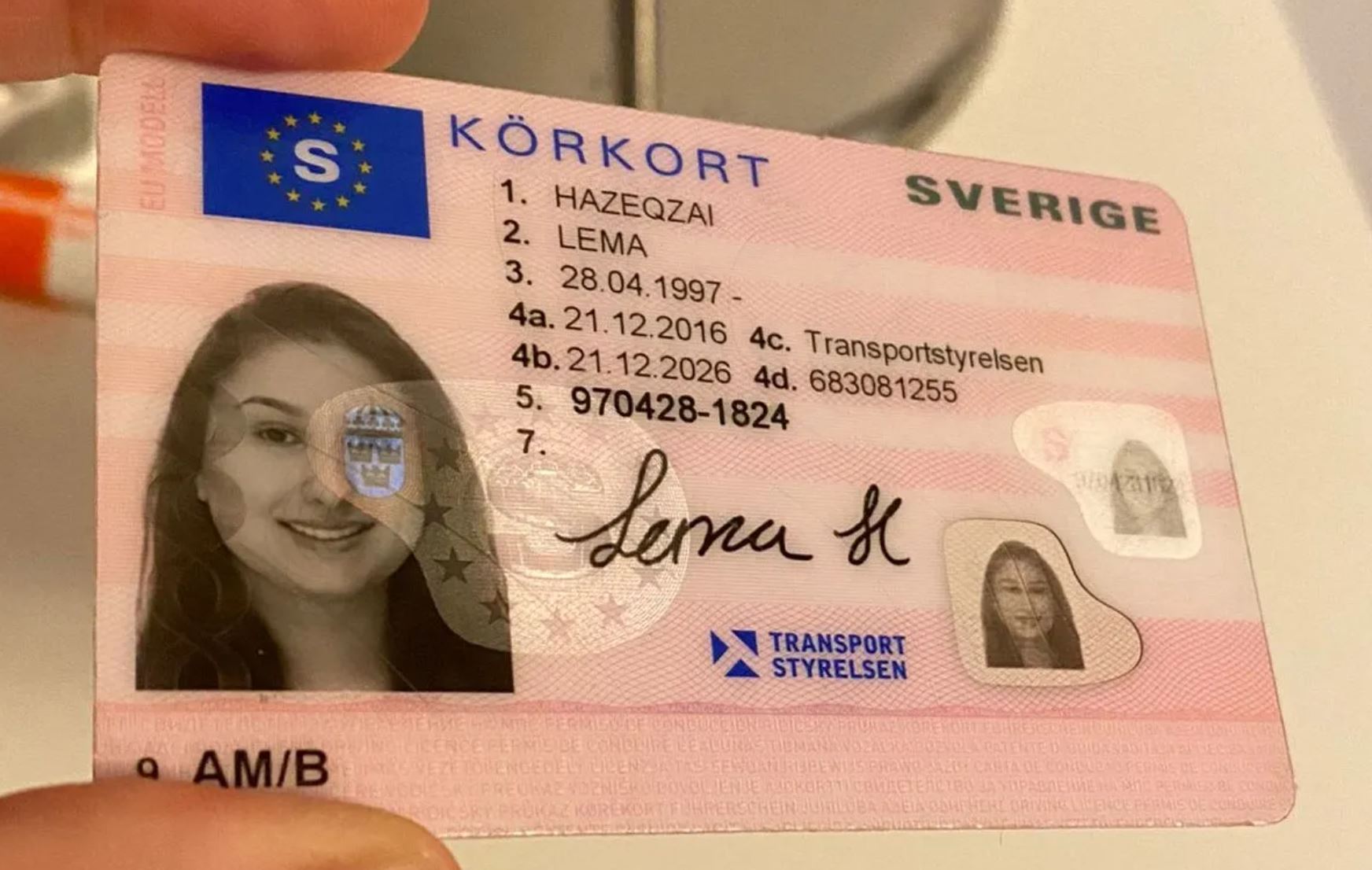
Identity documents forms another important prerequisite. Swedish citizens need to present legitimate national identification cards or passports, while EU/EEA people may use their national ID cards or passports. Third-country nationals normally need valid passports in addition to home allows demonstrating legal existence in Sweden. Without proper recognition, the application procedure can not start.
In addition, applicants must complete obligatory health statements and, in certain circumstances, go through medical evaluations. Conditions impacting vision, cardiovascular health, or neurological function might need expert certification confirming physical fitness to drive. The Swedish Transport Administration supplies comprehensive guidelines regarding which medical conditions demand more evaluation.
The Step-by-Step Process
The journey towards a Swedish driving license unfolds through several distinct phases, each building upon the previous one to develop qualified, safety-conscious chauffeurs.
Phase One: Theoretical Training and Examination
Every prospective driver must master the theoretical structures of roadway security before ever touching a lorry's steering wheel. This includes completing compulsory training modules covering traffic guidelines, risk understanding, environmental factors to consider, and emergency situation procedures. The theoretical evaluation itself includes multiple-choice concerns evaluating knowledge of Swedish traffic rules and situational judgment. Preparation typically involves studying main products and completing practice assessments, with most prospects needing several weeks of dedicated study.
Phase Two: Practical Driving Lessons
Following effective completion of the theoretical assessment, prospects progress to hands-on training with certified driving trainers. Swedish regulations mandate a minimum number of lesson types, including night driving, driving on highways, and countryside road navigation. The driving test evaluates not merely mechanical operation however also the prospect's capability to make safe decisions in genuine traffic conditions. Many candidates need between twenty and forty lessons before reaching test-ready proficiency, though individual requirements vary significantly based upon previous experience.
Stage Three: The Risk Education Courses
Sweden positions particular emphasis on educating chauffeurs about threats associated with impaired driving, fatigue, and high-speed travel. These obligatory courses, carried out in groups with qualified teachers, include both class discussion and practical demonstrations. Finishing these courses before arranging the useful evaluation represents a non-negotiable requirement for all newbie license candidates.
Phase Four: Practical Examination
The culminating evaluation involves a formal driving test conducted by a main inspector from the Swedish Transport Administration. This examination generally lasts thirty to forty-five minutes and evaluates the candidate's performance across numerous traffic circumstances, car handling skills, and safety awareness. Upon passing both theoretical and KöRkot practical parts, applicants receive their licenses, either as physical cards or digital credentials accessible through authorities applications.
Comprehensive Cost Breakdown
Understanding the financial investment needed assists potential motorists prepare successfully. While the phrase "buy a Swedish driving license" may suggest a single deal, the legitimate process involves numerous expenses throughout various categories.
| Cost Category | Common Cost Range (SEK) | Notes |
|---|---|---|
| Theory Course & & Materials | 1,500 - 2,500 | Consists of study guides and practice tests |
| Eye Examination | 200 - 400 | Required before lessons begin |
| Threat Education Courses | 1,500 - 2,500 | 2 necessary course sessions |
| Driving Lessons (per hour) | 500 - 800 | 20-40 lessons normally required |
| Theoretical Examination | 325 | Administered by Transportstyrelsen |
| Practical Examination | 800 - 1,100 | Includes automobile leasing if required |
| License Issuance Fee | 220 - 300 | Processing and production of license card |
Total expenses normally vary between 15,000 and 30,000 Swedish kronor for first-time license candidates, though individuals needing extra lessons or retaking assessments might incur greater expenses. While these figures represent significant financial investment, they show the extensive training system developed to produce competent, safe motorists.
Transforming Foreign Licenses in Sweden
For those already holding valid driving licenses from EU/EEA nations, Sweden permits license acknowledgment without needing re-testing. These license holders might exchange their existing qualifications for Swedish equivalents, simplifying the procedure considerably. However, license holders from nations without shared recognition agreements need to go through the complete Swedish licensing process or potentially complete shortened training programs depending on their nation of origin and existing documents.
The conversion process needs checking out a Swedish Transport Administration service point with initial files, passport or ID card, and appropriate photos. Processing normally takes two to 4 weeks, after which the foreign license is returned and the Swedish license provided. Particular countries may require main translations of paperwork, including extra steps to the process.
Frequently Asked Questions
How long does the complete licensing process take?
The timeline varies considerably based upon specific circumstances and readily available time for training. With devoted effort, some prospects complete all requirements within 3 to 6 months. However, waiting periods for assessment reservations, lesson schedule, and personal scheduling constraints often extend this to six months or longer. Preparation ahead and keeping constant progress assists lessen delays.
Can I use my foreign license in Sweden momentarily?
EU/EEA license holders might drive in Sweden utilizing their existing licenses forever. Third-country nationals might drive utilizing legitimate foreign licenses for approximately one year of residence, after which they need to either obtain Swedish licensure or exchange their license if their country has a recognition arrangement with Sweden. International driving permits supplement foreign licenses in some situations.
What happens if I stop working the driving test?
Failed examinations may be retaken after a necessary waiting period of usually one to 2 weeks. Each effort needs paying assessment fees again. Data suggest approximately thirty percent of prospects fail their first practical evaluation, frequently due to nerves or specific skill gaps that extra practice can address. Trainers often recommend brief refresher lessons before reattempting failed tests.
Is it possible to complete training in English?
Many driving schools serving migrants use instruction in English, and theory assessment products are readily available in numerous languages including English. Nevertheless, the practical examination itself is carried out mainly in Swedish, requiring prospects to understand fundamental Swedish traffic directions and signage. Some examiner offices may accommodate English speakers upon request during the practical test.
Are there monetary help options for low-income people?
Certain towns provide subsidized driving training programs for homeowners satisfying earnings thresholds, recognizing that licensure considerably impacts employability. Furthermore, some insurer and employers offer driving lesson benefits as part of their settlement plans. Examining local programs before starting training may expose offered assistance.
The pathway to a Swedish driving license needs commitment, time, and monetary investment, but this strenuous system eventually serves the broader goal of road safety. Rather than looking for shortcuts that do not exist legally, prospective license holders need to accept the detailed training procedure as an opportunity to develop real skills behind the wheel. The abilities cultivated through Swedish driver education produce much safer roadways for everybody.
Those happy to engage seriously with the requirements-- completing theoretical research study, buying quality direction, Köpa Ett Körkort and dedicating practice time-- discover the process workable and ultimately rewarding. The resulting license opens doors to employment, independence, and exploration across Sweden's spectacular landscapes. By comprehending the legitimate procedure detailed in this guide, readers can approach their licensing journey with practical expectations and clear instructions, changing what may look like a challenge into a real achievement.
댓글목록 0
댓글 포인트 안내