
What's The Current Job Market For Stroller Pushchair Pram Professional…

본문
Understanding the Differences: Stroller, Pushchair, and Pram
When it concerns baby transport, 3 terms typically used interchangeably are stroller, pushchair, and pram. Nevertheless, each of these baby carriers has its special features, benefits, and use cases. Moms and dads browsing the world of parenting equipment must comprehend these differences to make educated options for their households. In this article, we will dive deep into the definitions, features, advantages and disadvantages, and considerations for each type of baby carrier, making it simpler for moms and dads to choose the suitable option for their needs.
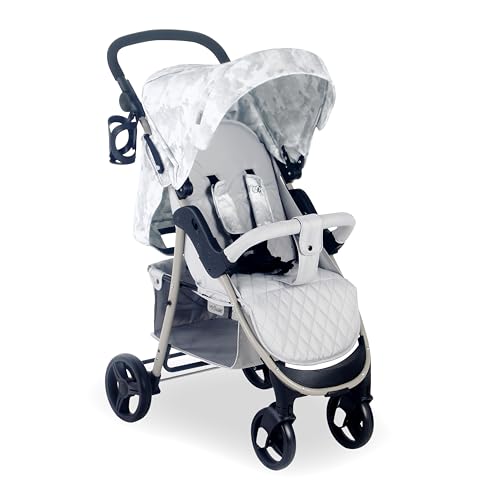
Table of Contents
- Definitions and Key Differences
- Functions of Strollers, twin pushchairs, and Prams
- Benefits and drawbacks
- When to Use Each Type
- Frequently asked question Section
- Conclusion
1. Meanings and Key Differences
To much better comprehend strollers, pushchairs, and prams, let's start with a clear definition of each:
| Term | Definition |
|---|---|
| Stroller | A lightweight, collapsible device designed mainly for older infants and young children who can sit up unaided. Strollers generally feature a seat that can recline and often consist of cup holders, storage baskets, and canopies. |
| Pushchair | Similar to a stroller but typically used interchangeably. Pushchairs usually describe more robust designs created for infants who can support themselves in a seated position. |
| Pram | A more standard baby carriage created for newborns. Prams have a flat, reclining surface that supports the baby's back and head, permitting a safe and comfortable trip. |
2. Features of Strollers, Pushchairs, and Prams
Understanding the unique features of each type can assist moms and dads make informed decisions based upon their family's requirements. Below is a detailed feature comparison.
| Feature | Stroller | Pushchair | Pram |
|---|---|---|---|
| Age Suitability | 6 months and up | 6 months and up | Newborn to around 6 months |
| Seating Position | Upright or reclined | Upright or somewhat reclined | Flat recline |
| Weight | Lightweight, simple to carry | Varies, but typically heavier than strollers | Heavier, designed for stability |
| Folding Mechanism | Compact, one-hand fold frequently | Varies, typically foldable | Bulkier, not generally foldable |
| Storage Capacity | Often consists of a basket | Varies, typically has storage | Restricted storage area |
| Canopy | Generally has a sunshade | Can include a sunshade | Typically no sunshade |
3. Pros and Cons
Each type of baby provider includes its own advantages and disadvantages. Below is a breakdown of the advantages and disadvantages for each:
Stroller
Pros:
- Lightweight and simple to maneuver.
- Ideal for toddlers and older babies.
- Typically includes features like cup holders and storage baskets.
Cons:
- Not suitable for newborns without additional accessories.
- Can be less steady on irregular surfaces.
Pushchair
Pros:
- Sturdier than common strollers, providing better assistance for older infants.
- Usually has versatile functions and styles.
- Lots of models use reclining seats for naps.
Cons:
- Can be much heavier and bulkier than strollers.
- Some designs may not fold compactly.
Pram
Pros:
- Designed specifically for newborns, using optimal assistance and comfort.
- Offer a flat sleeping surface, which is ergonomically ideal for babies.
- Frequently aesthetically pleasing with a timeless style.
Cons:
- Bulky and heavier than strollers and pushchairs.
- Minimal functionality as the baby grows (normally only for the very first 6 months).
4. When to Use Each Type
Comprehending the suitable ages and utilizes for each type of baby carrier can greatly enhance its functionality:
- Pram: Best matched for the first 6 months of a baby's life. Perfect for strolls in the park or sees to family, where comfort is critical.
- Stroller: Ideal for toddlers aged six months and older. Created for active parents who are frequently on the go. Appropriate for shopping trips and getaways to the zoo or play area.
- pushchair Pram: Good for parents wanting a middle ground in between a stroller and a pram. Ideal for slightly older babies who can stay up but may still need assistance.
5. FAQ Section
Q: Can I utilize a stroller or twin pushchair for a newborn?A: While some strollers and pushchairs use newborn accessories, it is typically advised to utilize a pram for optimum support and convenience.
Q: What are the security features I should search for?A: Look for a sturdy frame, protected harness system, brakes, and adjustable canopies for UV security.
Q: Are there travel systems readily available that combine these items?A: Yes, many brands offer travel systems that incorporate strollers and safety seat for ease of transport.
Q: Which one is simpler to collapse and transport?A: Strollers typically offer a more compact and lightweight fold compared to prams and pushchairs.
Q: Do I really require a pram if I have a stroller?A: If you prepare on utilizing it only for older babies and young children, a stroller will be adequate. Nevertheless, if you value maximum comfort and support for a newborn, a pram is suggested.

6. Conclusion
Picking in between a stroller, pushchair stroller, and pram involves understanding the distinct functions, benefits, and constraints of each type. By considering your kid's age, your way of life, and specific requirements, you can select the very best option that makes sure security, comfort, and benefit.
In the end, the journey of being a parent has to do with making the very best choices one action at a time. With this understanding, moms and dads can confidently browse their choices and make choices that are right for both them and their kids. Whether walking through the park, shopping, or checking out friends, the best baby provider can make every getaway pleasurable and trouble-free.
댓글목록 0
댓글 포인트 안내