
You'll Never Guess This Home Improvement Door Handle Repair's Tricks

본문
Home Improvement: A Comprehensive Guide to Door Handle Repair
Home improvement tasks can differ in intricacy, however one of the most common concerns homeowners face is malfunctioning door handle repair shop handles. Whether they're loose, sticking, or completely broken, door handle repairs are essential for maintaining security and performance in a home Improvement Door handle repair [best-door-handle-repair52134.xzblogs.com]. This post will provide a comprehensive guide on door handle repair professional handle repairs, consisting of essential tools, step-by-step instructions, and frequently asked questions.
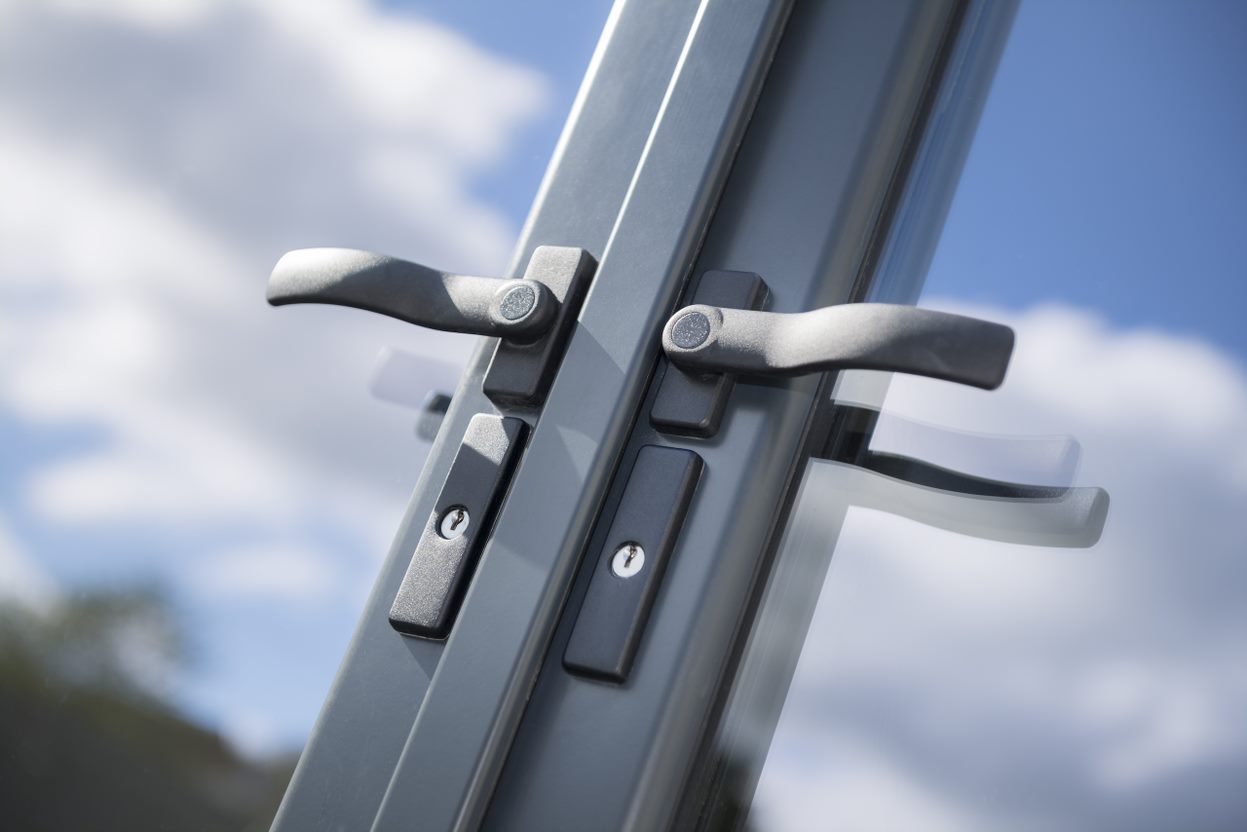
Comprehending Door Handle Mechanisms
Before diving into repairs, it's crucial to comprehend the different types of door handle repair and installation handles. Here's an easy table that outlines the most common types:

| Type of Door Handle | Description | Common Use |
|---|---|---|
| Lever Handle | A handle that can be pulled down or pressed up. | Interior and outside doors |
| Knob Handle | A round handle that is turned to unlock. | Entry doors, interior doors |
| Deadbolt Handle | Combines a locking mechanism with a handle. | Exterior doors, included security |
| Digital Handle | Uses a keypad or biometric sensing unit to unlock. | Smart homes |
| Moving Door Handle | Developed for sliding doors, often long and flat. | Patio doors, closet doors |
Tools Required for Door Handle Repair
Before starting any repair work, collect the following tools:
- Screwdriver (flat-head and Phillips)
- Allen Wrench (if suitable)
- Adjustable Wrench
- Pliers
- Replacement Parts (if required)
- Lubricant (WD-40 or silicone spray)
- Cleaning cloth
Step-by-Step Door Handle Repair
1. Identifying the Problem
Before attempting any repairs, it is important to determine the problem. Typical concerns consist of:
- Loose handle
- Sticking or jammed handle
- Broken lock mechanism
- Harmed assembly
2. Removing the Door Handle
To begin the repair, follow these actions:
- Locate Screws: Usually discovered on the faceplate or the side of the handle.
- Unscrew: Use the proper screwdriver to get rid of the screws. If the handle is held by an Allen screw, utilize an Allen wrench.
- Eliminate Handle: Gently pull the handle off, taking care not to harm the linking hardware.
3. Inspecting the Mechanism
Once the handle is gotten rid of, examine the internal mechanism for any visible concerns:
- Loose Screws: Tighten any screws that might have come loose.
- Used Parts: Check for damaged or damaged elements that may need replacement.
4. Cleaning up the Mechanism
Clean the location with a wet cloth to eliminate dust and grime. Apply a lubricant to the moving parts to guarantee smooth operation.
5. Changing Parts (if essential)
If any parts are damaged or worn, it may be essential to replace them. Speak with the maker's guidelines or online resources for replacement part info.
6. Reassembling the Handle
- Reattach Handle: Align the handle with the system and press it into location.
- Screw in Place: Use the previously removed screws to secure the handle back in position.
- Inspect Functionality: Test the handle to guarantee it operates efficiently.
7. Last Adjustments
If the handle stays loose or sticks, extra modifications might be required. Guarantee that all screws are tightened up and the mechanism is effectively lined up.
Maintenance Tips for Door Handles
- Regular Inspections: Check door handles periodically for any signs of wear.
- Lubricate: Apply lubricant every couple of months to keep the mechanism functioning efficiently.
- Prevent Excessive Force: Treat door handles carefully to prevent future damage.
Frequently Asked Questions about Door Handle Repair
Q1: How do I know if my door handle requirements replacing?
A: Signs include extreme wobbling, inability to lock effectively, or noticeable damage to the handle or mechanism.
Q2: Can I repair a door handle without replacing parts?
A: Yes, many problems can be fixed by tightening screws, lubing moving parts, or fixing small misalignments.
Q3: What type of lubricant should I use?
A: Silicone spray or graphite lube is suggested, as they provide lasting lubrication without drawing in dirt.
Q4: Is it needed to call a professional for door handle repair?
A: Not always. The majority of small repairs can be done by property owners with fundamental tools and a little guidance.
Q5: How can I prevent door handle issues in the future?
A: Regular maintenance, such as cleaning and lubrication, can extend the life of your door handles and avoid common problems.
Door handle repair may seem challenging, but with the right tools and understanding, property owners can tackle it with confidence. By following these actions, you can preserve the functionality and appearance of your door handles, adding to the total security and benefit of your home. Keep in mind to frequently inspect and service your door handles to prevent future problems, guaranteeing your home stays a safe and welcoming area.
댓글목록 0
댓글 포인트 안내