
Largest Shipping Container Size Tools To Make Your Daily Lifethe One L…

본문
The Largest Shipping Container Sizes: A Comprehensive Guide
The shipping industry plays a crucial function in worldwide commerce, facilitating the transport Internal Dimensions Of 45 Ft Container items throughout huge ranges. Throughout the years, shipping containers have actually progressed in size, design, and versatility to satisfy the growing demands of international trade. This article checks out the largest shipping container sizes-- providing insights into their specs, applications, and the future of container shipping.
Understanding Shipping Container Sizes
Shipping containers can be found in numerous basic sizes, mostly 20-foot and 40-foot containers. Nevertheless, as trade demands have actually intensified, bigger containers have gained prominence. This area lays out the typical container sizes and presents the largest containers currently in usage.
Standard Container Sizes
- 20-foot Container: 20 feet long, 8 feet wide, 8.5 feet high
- 40-foot Standard Container: 40 feet long, 8 feet wide, 8.5 feet high
- 40-foot High Cube Container: 40 feet long, 8 feet wide, 9.5 feet high
- 45-foot High Cube Container: 45 Ft Containers feet long, 8 feet broad, 9.5 feet high
Largest Shipping Container Sizes
| Container Type | Length (feet) | Width (feet) | Height (feet) | Volume (cubic meters) | Max Payload (lots) |
|---|---|---|---|---|---|
| 20-foot Standard | 20 | 8 | 8.5 | 33.2 | 30 |
| 40-foot Standard | 40 | 8 | 8.5 | 67.7 | 30 |
| 40-foot High Cube | 40 | 8 | 9.5 | 76.4 | 30 |
| 45 Ft Storage Container-foot High Cube | 45 | 8 | 9.5 | 85.0 | 32 |
| 48-foot High Cube | 48 | 8 | 9.5 | 97.7 | 30 |
| 53-foot High Cube | 53 | 8.6 | 9.5 | 102.9 | 30 |
What is a 53-foot Container?
The 53-foot shipping container is currently the largest shipping container available on the marketplace. It is often used for transferring products locally within the U.S. and Canada, particularly for long-haul trucking. Its increased length and volume make it perfect for bulk shipping while preserving competitive shipping expenses.
Advantages of Larger Shipping Containers
The transition to larger shipping containers has a number of benefits:
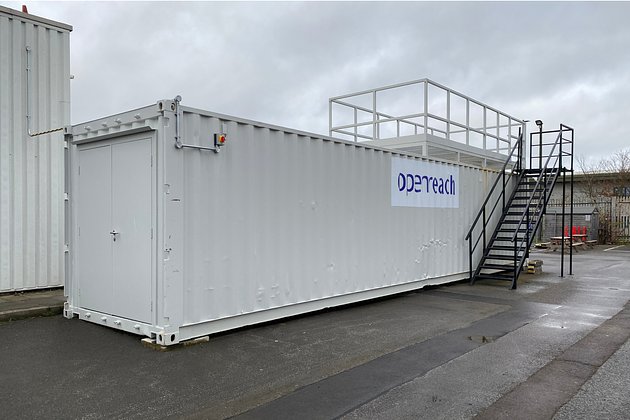
1. Increased Capacity
Bigger containers, such as the 53-foot high cube, are capable of carrying more cargo, which equates to greater performance in shipping.
2. Economies of Scale
Transporting more goods in a single container lowers shipping expenses per system, benefiting both carriers and consumers.
3. Lowered Carbon Footprint
By combining items into less containers, shipping companies can decrease fuel consumption and lower overall emissions.
4. Enhanced Cargo Protection
With bigger containers, companies can better organize and protect goods, reducing the risk of damage during transit.
The Shift Towards Larger Containers
The growing pattern toward bigger shipping containers is driven by numerous elements:
- Global Trade Growth: Increasing global need for goods has pressed shipping business to take full advantage of container capacity.
- Port Infrastructure Improvements: Many ports have purchased the infrastructure essential to accommodate larger vessels and containers.
- Technological Advancements: Innovations in logistics and container design have actually enabled efficient handling and transportation of larger shipments.
Challenges and Considerations
While bigger containers provide various advantages, there are difficulties to think about:
- Port Limitations: Not all ports are equipped to deal with larger vessels or containers, resulting in prospective hold-ups and increased costs.
- Intermodal Transport Restrictions: Rail and trucking may deal with constraints based upon the size and weight of bigger containers.
- Cost of Equipment: Investment in specialized devices for dealing with bigger containers can be considerable for shipping business.
Future Trends in Shipping Container Sizes
As shipping requirements progress, it is most likely that the industry will continue to see innovations in container size and style. Some possible patterns include:
- Development of Specialty Containers: Custom containers developed for special cargo requirements (e.g., temperature-controlled or dangerous products).
- Modular Container Designs: Containers that can be expanded or integrated to match differing shipment sizes.
Regularly Asked Questions (FAQ)
What is the largest shipping container size available?
The Largest Shipping Container Size (Https://Output.Jsbin.Com/Remiquvapi/) standard shipping container currently available is the 53-foot high cube container.
Just how much weight can a shipping container hold?
The max payload for a 53-foot high cube shipping container is usually around 30 tons, though this can vary based upon specific styles and regulations.
Why are larger containers becoming more popular?
Larger containers increase efficiency in shipping by allowing carriers to carry more products in fewer trips while minimizing expenses and ecological effect.
Can all ports accommodate larger containers?
No, not all ports can manage bigger containers; port infrastructure varies considerably, affecting the logistics of bigger deliveries.
What are the advantages of using high cube containers?
High cube containers provide extra height for storage, enabling more cargo capability and accommodating items that require vertical area.
As worldwide trade continues to broaden, the shipping container industry should adjust to fulfill increasing demand. The pattern toward larger shipping containers offers considerable benefits in efficiency, expense savings, and environmental impact. However, obstacles remain in regards to infrastructure and logistics. Comprehending these characteristics assists services and consumers alike navigate the progressing landscape of global shipping. Whether you're a shipper, a logistics service provider, or just somebody thinking about the mechanics of global trade, staying notified about shipping container sizes is important for success in today's marketplace.
댓글목록 0
댓글 포인트 안내