
10 Beautiful Images To Inspire You About Built-in Oven Test

본문
The Ultimate Guide to Testing Built-in Ovens: Ensuring Performance and Quality
When buying a built-in oven, Induktionskochfeld Set Angebot the experience must be both comprehensive and systematic. Given the progressing nature of cooking area technology, consumers and professionals alike must be equipped to test ovens successfully. This guide lays out a detailed approach for anybody aiming to assess a built-in oven, making sure the device fulfills expectations for performance, efficiency, and security.
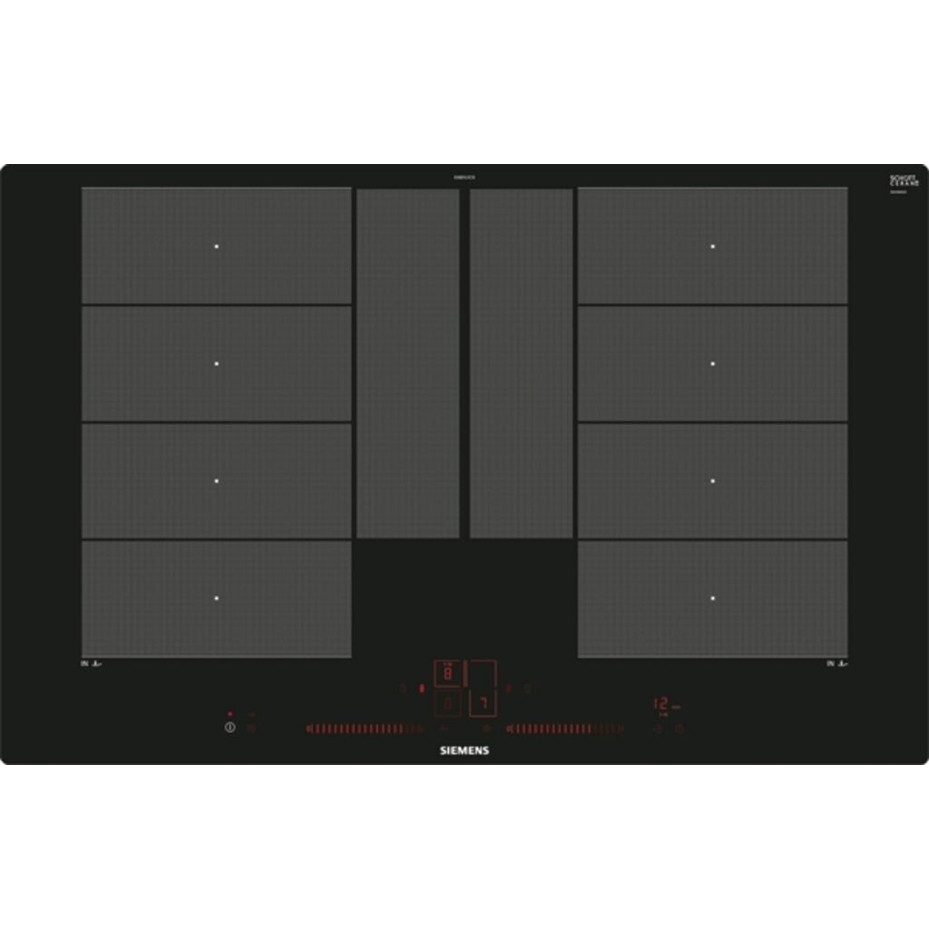
Comprehending Built-in Ovens
Built-in ovens are created to perfectly integrate into kitchen cabinetry, Einbau Backofen Angebot developing a streamlined appearance and taking full advantage of area effectiveness. Unlike freestanding ovens, built-ins can frequently provide advanced features like exact temperature control, self-cleaning choices, and various cooking modes, which can substantially enhance the cooking experience.
Secret Features of Built-in Ovens
| Function | Description |
|---|---|
| Size | Readily available in various widths (24", 30", 36") to fit different kitchen area designs. |
| Types | Wall ovens, slide-in ovens, and convection ovens. |
| Control Systems | Touch screens, knobs, or a combination of both for ease of usage. |
| Thermal Circulation | Convection cooking enables even heat distribution. |
| Self-cleaning | Numerous designs offer hassle-free self-cleaning settings. |
| Security Features | Includes automated shut-off, kid locks, and temperature level lock systems. |
The Built-in Oven Testing Process
When it concerns screening built-in ovens, a structured technique can cause a thorough understanding of the device's capabilities.
1. Initial Inspection
Before any cooking starts, it's crucial to conduct a visual check of the oven.
- Exterior Examination: Look for any indications of damage, ensure that the setup is secure, and that the hinges and deals with run smoothly.
- Interior Inspection: Check the interior surface areas for tidiness and any indications of damage that could affect cooking effectiveness.
2. Practical Tests
Functional tests need to be performed to verify that all functions are working as promoted.
Temperature level Accuracy
Among the most vital aspects of cooking efficiency is temperature level precision. Utilize an oven thermometer to verify the real temperature versus the oven's settings.
- Process:
- Preheat the oven to 350 ° F
- . After 20 minutes, put an oven thermometer inside.
- Compare the thermometer's reading to the display screen.
| Setting | Displayed Temp ( ° F | )Actual Temp ( ° F | ) |
|---|---|---|---|
| Difference(° F)350 | 350 347 | -3 | |
| 450 | 450 | 455 | +5 |
| 375 | 375 | 370 | -5 |
3. Cooking Tests
After confirming the oven runs correctly, it's time to test its cooking abilities using a range of typical tasks.
Baking Test
- Objective: Evaluate the evenness of baking and the capability to rise.
- Technique: Bake a basic cake dish and screen rising and browning levels.
Roasting Test
- Goal: Assess roasting performance, especially for meats.
- Technique: Roast a chicken and check the following: internal temperature, browning, and wetness retention.
| Feature | Assessment |
|---|---|
| Browning | Even browning without hot spots |
| Wetness | Juiciness of the internal meat |
| Cooking Time | Accurate cooking time per weight of chicken |
4. Energy Efficiency
Assessing energy efficiency is necessary, specifically in today's eco-conscious environment. Check the oven's energy score and run energy usage tests.
| Geschirrspüler Energiesparend Test | Before Use | After Typical Use | Distinction |
|---|---|---|---|
| Electrical power Consumption (kWh) | 1.5 | 2.3 | +0.8 |
5. Clean-up and Maintenance
Finally, evaluate how easy it is to clean up the oven after use.
- Surface Material: Stainless steel versus enamel-coated surface areas.
- Self-cleaning Function: Does it efficiently remove food residue?
6. Additional Features Testing
Numerous built-in ovens come with added functionalities. Evaluate each feature to understand their practicality.
| Function | Description | Assessment |
|---|---|---|
| Smart Controls | Ability to control via smartphone; check connectivity and functionality. | Functional test |
| Multi-cooking Modes | Examine options like steam, roast, broil, etc. | Test various modes |
| Temperature level Alerts | Informs when a Backofen Set Mit Kochfeld Kaufen cooking temperature is reached. | Verification of noise and exposure |
Frequently Asked Questions (FAQs)
1. How do I pick the right built-in oven for my kitchen area?
When selecting a built-in oven, consider your cooking design, cooking area space, preferred functions, and spending plan. Examine dimensions, specs, and style compatibility with your kitchen area design.
2. What is the average life expectancy of a built-in oven?
Normally, a well-maintained built-in oven can last anywhere between 10 to 15 years, depending on use, brand, and maintenance practices.
3. How can I guarantee the precision of my oven's thermostat?
Using an oven thermometer is the most efficient method. Frequently inspect your oven's temperature to guarantee it remains consistent.
4. What security features are needed in a built-in oven?
Key security functions ought to include automated shut-off, kid safety locks, and temperature level control systems to prevent overheating.
Testing a built-in oven needs a cautious approach to make sure that it satisfies the private requirements of the household. By following a structured procedure, customers can feel great in their purchasing decisions, resulting in improved cooking experiences and much better kitchen efficiency. With the best testing techniques and factors to consider, buyers can find an oven that combines effectiveness, functionality, and style, developing a focal point for any modern-day kitchen.
댓글목록 0
댓글 포인트 안내