
What's The Current Job Market For Oven Hobs Professionals?

본문
The Essential Guide to Oven Hobs: Selecting the Right One for Your Kitchen
When it comes to home cooking, couple of devices are as crucial as the oven hob. This flexible tool is essential for a variety of cooking approaches-- boiling, frying, simmering, and sautéing. Offered the myriad of choices readily available on the market, picking the ideal oven hob for one's kitchen can be daunting. This short article aims to offer an in-depth look at oven hobs, discussing their types, functionalities, advantages, downsides, and essential factors to consider when buying one.
Understanding Oven Hobs
Oven hobs, frequently known as cooktops, are flat cooking platforms that feature burners or heating components. They can be integrated with an oven or stand-alone. The option of an oven hob can substantially affect cooking efficiency and convenience.
Kinds Of Oven Hobs
Oven hobs can be found in various types, each with special features. Below are the most typical types offered:
| Type | Description | Benefits | Disadvantages |
|---|---|---|---|
| Gas Hobs | Uses gas or gas | Instantaneous heat and accurate temperature level control; works well with all cookware | Requires a gas connection; less energy-efficient than electric |
| Electric Hobs | Usage electric coils or glowing heat | Easy to clean; consistent heat circulation | Slower to warm up; can be less responsive than gas |
| Induction Hobs | Utilizes electromagnetic fields to heat cookware directly | Fast cooking; energy-efficient; simple to tidy | Requires compatible pots and pans; typically more expensive |
| Ceramic Hobs | Flat glass-ceramic surface area with glowing heat | Visually pleasing; simple to tidy | Can be vulnerable to scratching; slower to heat than induction |
Key Features of Oven Hobs
When picking an oven hob, a number of functions ought to be taken into consideration:
Size & & Configuration: Available in numerous sizes, oven hobs can accommodate numerous pots and pans. Basic options are typically 30, 36, or 48 inches broad.
Power Output: Look for hobs with differing power levels for various cooking procedures. High-powered burners are excellent for boiling, while lower-power ones can be utilized for simmering.
Control Types: Choose in between knob controls and touch controls. Knobs offer tactile feedback, while touch controls offer smooth styles and additional performances.
Safety Features: Options like automatic shut-off, child locks, and flame failure devices are important for avoiding accidents.
Relieve of Cleaning: Choose designs with smooth surface areas or removable parts for easy upkeep.
Advantages and Disadvantages
Understanding the advantages and disadvantages of different oven hobs can help in making an informed choice.
Benefits
- Adaptability: Suitable for various cooking methods, from boiling to frying.
- Speed: Many hobs heat rapidly, especially induction designs.
- Energy Efficiency: Some alternatives, like induction hobs, can lower energy intake compared to traditional methods.
Drawbacks
- Cost: High-end designs, particularly induction hobs, can be costly.
- Installation: Gas hobs need professional setup and a gas supply, which might incur extra expenses.
- Compatibility: Not all cookware deals with induction hobs, requiring additional purchases.
Buying Considerations
When picking an oven hob, consider the list below factors:
Cooking Style: Assess how often and what sort of cooking you do to determine the very best hob type.
Kitchen Layout: Measure your kitchen space to ensure the hob fits and matches other home appliances.
Spending plan: Determine just how much you want to spend. Factor in installation and the expense of any essential pots and pans.
Energy Source: Evaluate the schedule of gas or the electrical capacity of your kitchen to decide between gas and electric alternatives.
Frequently Asked Questions About Oven Hobs
Q1: What is the distinction in between a cooktop and an oven hob?A cooktop and an oven hob typically describe the same device. However,"cooktop "is a broader term that consists of both standalone hobs and integrated systems with ovens. Q2: Can I utilize any pots and pans on an induction
hob?No, induction hobs require ferrous( magnetic)pots and pans
to work. Pots and pans made from material like stainless steel or cast iron appropriates, while aluminum and copper without magnetic properties are not. Q3: How do I tidy my oven hob properly?Cleaning methods depend on the kind of hob.

Usually, a damp cloth and moderate detergent work for glass-ceramic surface areas, while a specific hob cleaner is perfect for induction. Gas hobs need taking apart burners for thorough cleansing. Q4: Are induction hobs safe for cooking?Yes, induction hobs are typically safer than gas hobs as they do not produce an open flame,and the surface cools down rapidly. A lot of designs also feature kid safety locks. Q5: How typically need to I change my oven hob?The lifespan of an oven hob differs based upon the type and usage. Usually, they last around 10 to 15 years.
Routine maintenance can assist extend this period. Choosing the perfect oven hob for your home can greatly boost your cooking experience. With a comprehensive understanding of the types, features, advantages, and considerations, anybody can make an informed option. From the high heat of gas to the performance of induction, there is a hob fit to every cooking need. Ultimately, the ideal oven hob can change cooking from an ordinary task into an art form, allowing culinary enthusiasts to produce tasty meals with ease.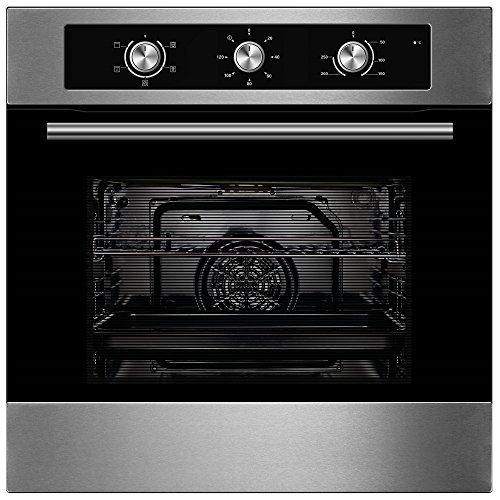
댓글목록 0
댓글 포인트 안내